PCOS (Polycystic Ovary Syndrome) and PCOD are hormonal conditions strongly linked with insulin resistance, inflammation, and metabolic imbalance. The right food choices help regulate hormones, manage weight, improve periods, and reduce symptoms like acne, hair fall, and fatigue.
Below are the most important food categories every woman with PCOS should include in her diet.
1. Green Leafy Vegetables
Green leafy vegetables are one of the most important foods for women suffering from PCOS/PCOD. They are low in calories but rich in fiber, iron, magnesium, and antioxidants. These nutrients help reduce inflammation and improve insulin sensitivity, which is a major problem in PCOS. Vegetables like spinach, methi leaves, broccoli, and lauki also support detoxification and help regulate hormones naturally. Eating them daily helps manage weight and improves menstrual health.
2. Low-Glycemic Fruits
Women with PCOS should choose fruits that do not cause sudden blood sugar spikes. Low-glycemic fruits such as apples, pears, berries, guava, and pomegranate release sugar slowly into the bloodstream. This helps control insulin levels and prevents cravings, mood swings, and fat storage. These fruits are also rich in vitamins, antioxidants, and fiber that support skin health, hormonal balance, and overall metabolism.
3. Whole Grains
Whole grains are healthier than refined carbohydrates because they contain fiber and essential nutrients. Foods like oats, quinoa, brown rice, and millets digest slowly and keep blood sugar stable. Stable blood sugar levels help reduce insulin resistance — one of the main causes of PCOS symptoms such as weight gain, irregular periods, and hormonal imbalance. Whole grains also keep you full for longer, reducing overeating.
4. Healthy Fats
Healthy fats play a crucial role in hormone production and reducing inflammation in the body. Nuts and seeds like almonds, walnuts, chia seeds, flaxseeds, and pumpkin seeds contain omega-3 fatty acids and essential nutrients that support hormonal balance. These fats help reduce testosterone levels and improve skin, hair, and reproductive health.
5. Protein-Rich Foods
Protein is essential for managing PCOS because it stabilizes blood sugar levels and reduces hunger hormones. Foods such as eggs, paneer, lentils, chickpeas, tofu, and yogurt provide high-quality protein that supports muscle health and metabolism. Adequate protein intake helps prevent sudden energy crashes and assists in healthy weight management.
6. Omega-3 Rich Foods
Omega-3 fatty acids are powerful anti-inflammatory nutrients that help reduce hormonal imbalance in PCOS. Fatty fish like salmon and sardines, along with plant sources like flaxseeds and walnuts, help lower inflammation and improve insulin sensitivity. Omega-3 also supports heart health, mood stability, and menstrual cycle regulation.
7. Hormone-Balancing Herbs & Spices
Certain herbs and spices naturally support hormonal health. Cinnamon helps improve insulin function and blood sugar control. Turmeric reduces inflammation, ginger supports digestion, and spearmint tea may help lower excess androgen levels responsible for acne and unwanted hair growth. Fenugreek seeds also support blood sugar balance and menstrual health.
8. Gut-Healthy Foods
Gut health plays a major role in hormone regulation. Probiotic foods like curd, buttermilk, and fermented foods improve digestion and support beneficial gut bacteria. A healthy gut reduces inflammation, improves nutrient absorption, and supports hormonal balance.
7-Day PCOS Diet Plan
| Day | Morning (Empty Stomach) | Breakfast | Mid-Morning | Lunch | Evening Snack | Dinner |
|---|---|---|---|---|---|---|
| Day 1 | Warm water + soaked methi seeds | Vegetable oats + 5 almonds | Apple | Multigrain roti + Lauki sabzi + Dal + Salad | Spearmint tea + roasted chana | Paneer vegetable stir fry + cucumber salad |
| Day 2 | Lemon water (no sugar) | Besan chilla + mint chutney | Pear / Guava | Brown rice + Rajma + salad | Handful walnuts | Vegetable soup + sautéed tofu |
| Day 3 | Cinnamon water | Vegetable poha (low oil) | Pomegranate | Bajra roti + Palak sabzi + curd | Buttermilk | Moong dal cheela + salad |
| Day 4 | Warm turmeric water | Sprouts salad + paneer | Apple | Quinoa pulao + mixed vegetables | Green tea + pumpkin seeds | Lauki soup + stir-fried vegetables |
| Day 5 | Chia seeds water | Ragi dosa + coconut chutney | Orange / Mosambi | Jowar roti + Bhindi sabzi + Dal | Roasted makhana | Paneer salad bowl |
| Day 6 | Ginger water | Oats upma | Guava | Brown rice + Chole + salad | Buttermilk + flaxseeds | Vegetable khichdi (moong dal) |
| Day 7 | Lemon + cinnamon warm water | Multigrain toast + peanut butter | Pomegranate | Multigrain roti + Mix veg + curd | Spearmint tea + almonds | Clear vegetable soup + tofu/paneer |
Take Ayurvedic Support
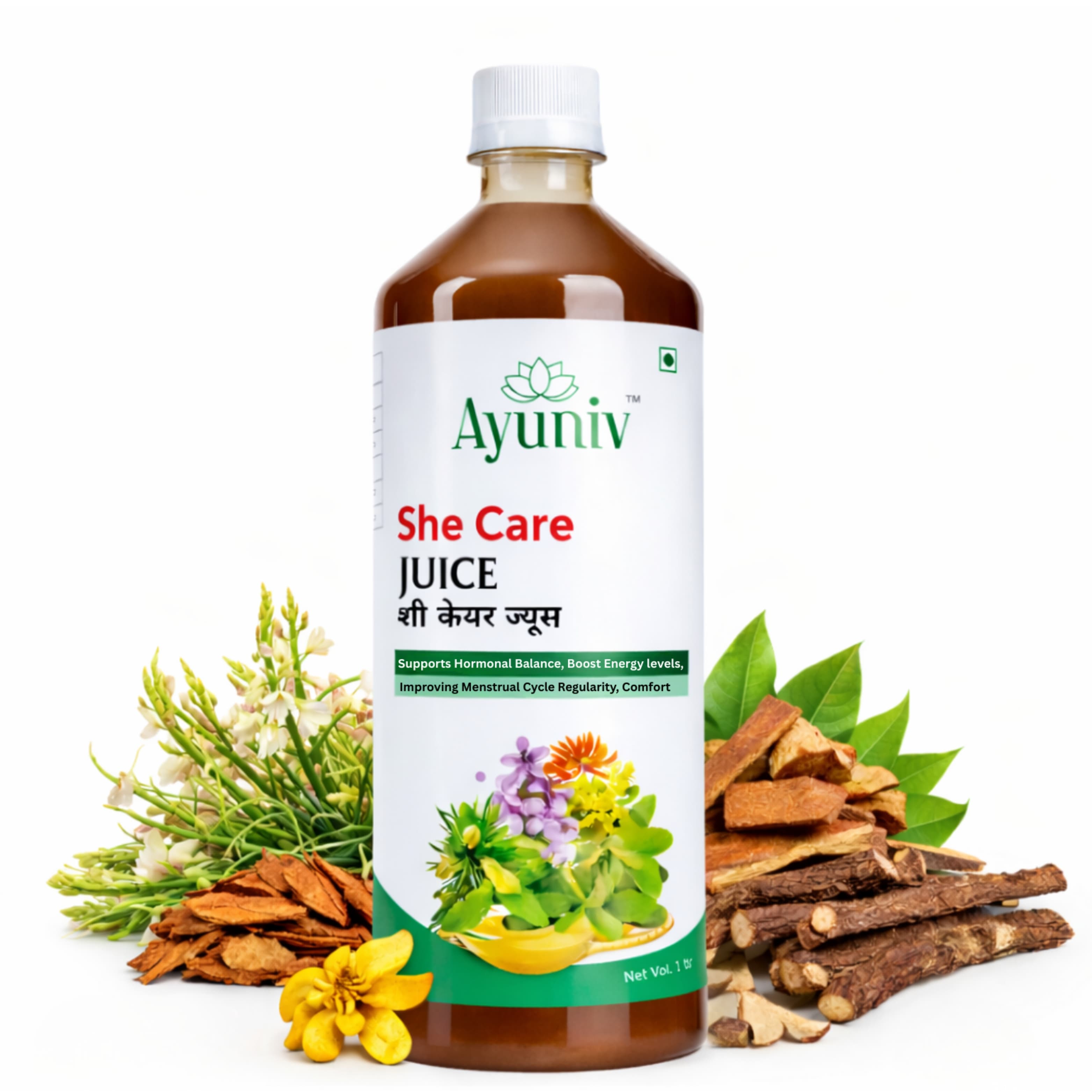
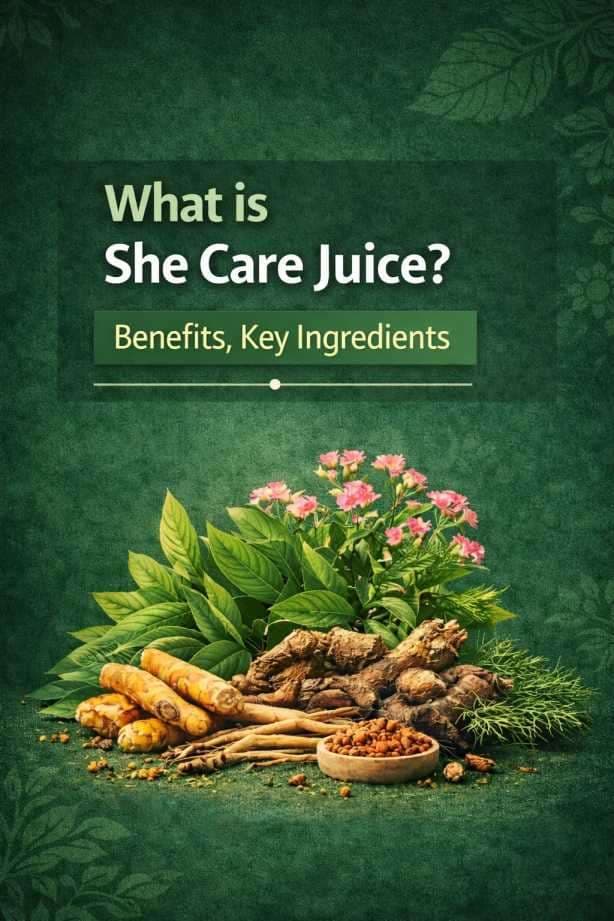
Ayurveda believes that PCOS/PCOD develops due to an imbalance of Kapha and Vata dosha, weak digestion (Agni), and accumulation of toxins (Ama) in the body. Along with a proper diet and lifestyle, Ayurvedic support — such as Ayuniv She Care Juice — helps restore natural hormonal balance and improve reproductive health gently and holistically.
Ayurvedic remedies focus on root-cause healing rather than temporary symptom control. By improving metabolism, detoxifying the body, and nourishing reproductive tissues (Artava Dhatu), Ayurveda helps regulate menstrual cycles, reduce cyst formation, and support overall hormonal wellness.
Author Note
This article is created for educational and wellness awareness purposes based on nutritional research and traditional dietary practices. Maintaining hormonal health requires consistent healthy eating, regular monitoring, and professional medical advice when necessary.
Conclusion
PCOS/PCOD can be managed naturally with the right diet, balanced lifestyle, and Ayurvedic support. Focusing on digestion, hormone balance, and toxin removal helps improve overall reproductive health. Consistent healthy habits along with natural support like Ayuniv She Care Juice can promote better hormonal wellness and long-term well-being.
Frequently Asked Questions (FAQs)
1. Can PCOS/PCOD be managed naturally with diet and Ayurveda?
Yes, PCOS symptoms can be managed through a balanced diet, exercise, stress management, and Ayurvedic support.
2. Which foods should be avoided in PCOS/PCOD?
Sugar, refined flour, fried foods, processed snacks, and sugary drinks should be limited.
3. How does Ayurvedic support help in PCOS?
Ayurveda improves digestion (Agni), removes toxins (Ama), and balances doshas to support hormonal wellness.
4. How long does it take to see improvement?
With consistent lifestyle changes, many women notice improvements within a few months.