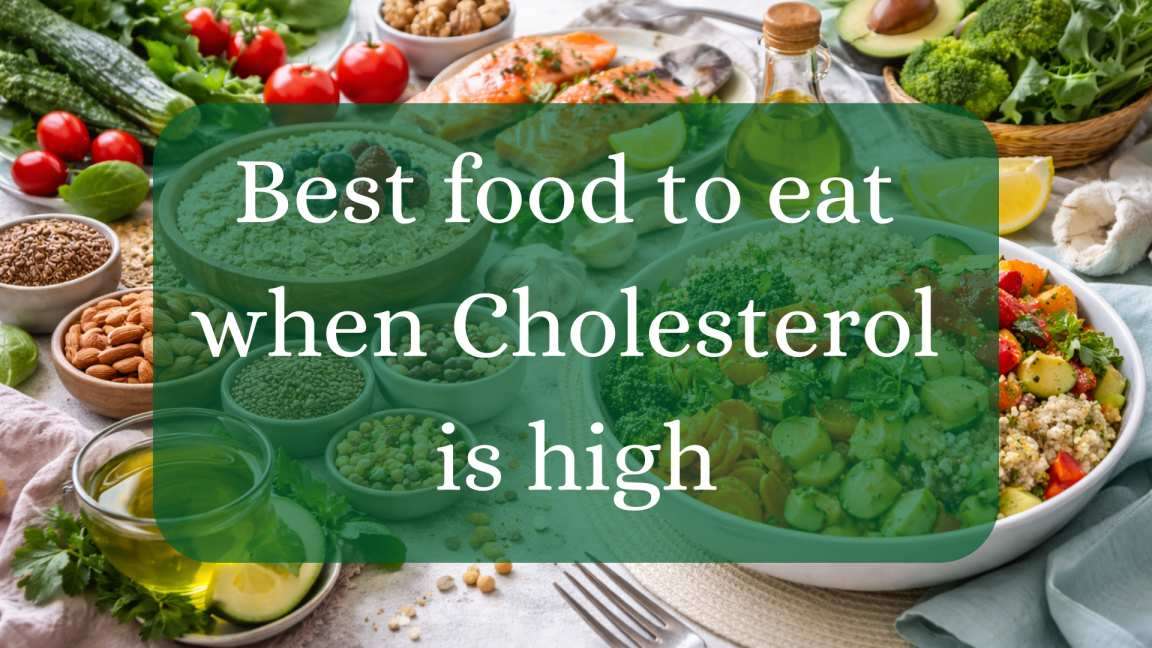
High cholesterol is one of the most common lifestyle-related health concerns today. Many people develop elevated cholesterol levels due to unhealthy eating habits, stress, lack of physical activity, and excessive consumption of processed foods. Cholesterol itself is not harmful because the body needs it to produce hormones and build cells. However, when bad cholesterol (LDL) increases and good cholesterol (HDL) decreases, fat deposits begin accumulating in blood vessels, affecting heart health and circulation.
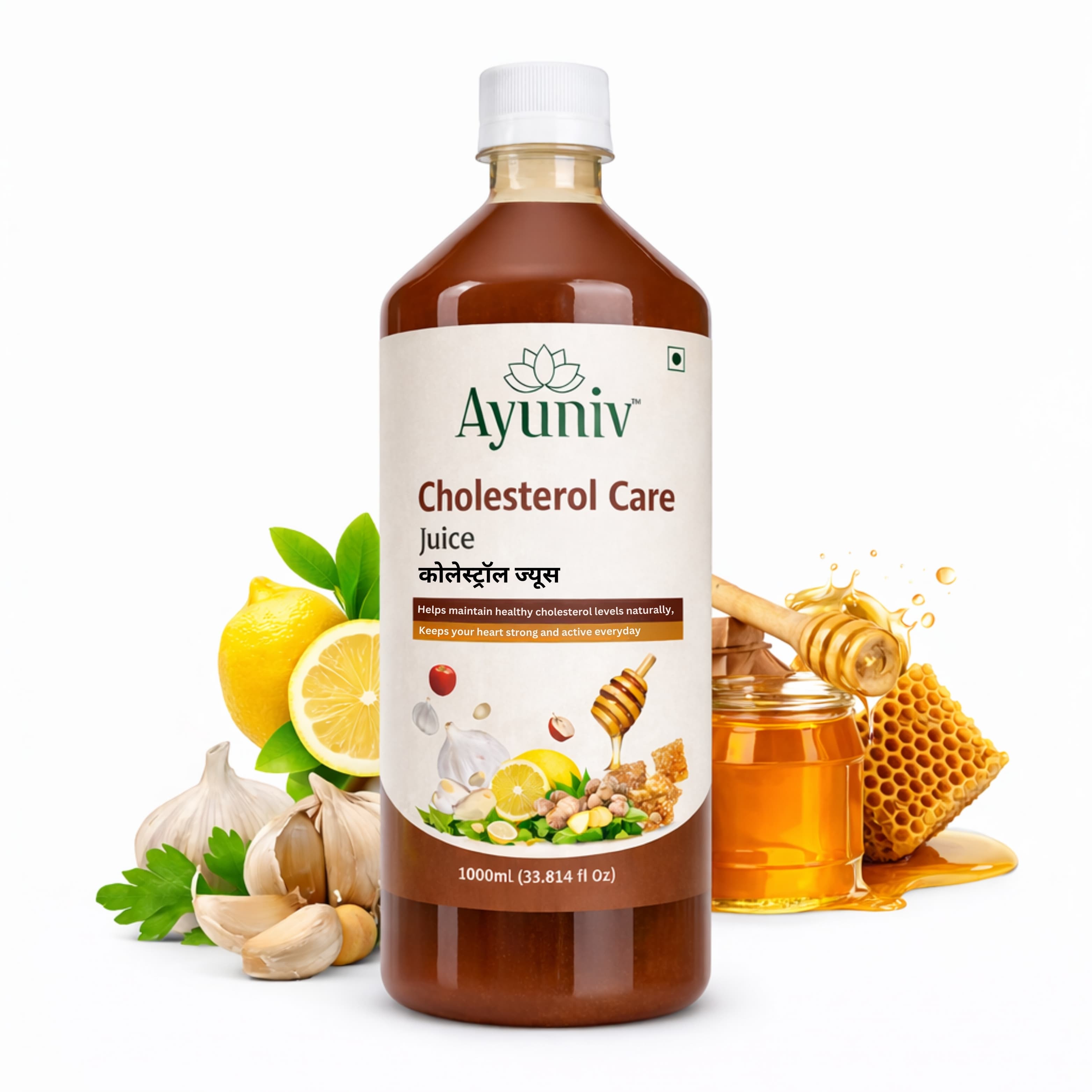
One of the most effective and natural ways to manage cholesterol is through daily food choices. Certain foods actively help reduce cholesterol by limiting its absorption, improving fat metabolism, and supporting the body’s natural cholesterol removal process. Including these foods regularly can gradually improve lipid balance and support long-term cardiovascular health. Along with a balanced diet, many people also include natural wellness support such as Ayuniv Cholesterol Care Juice as part of their daily routine to maintain healthier cholesterol levels naturally.
1. Oats
Oats are among the most powerful foods for lowering cholesterol because they contain soluble fiber known as beta-glucan. This fiber forms a gel-like substance during digestion that binds with cholesterol particles in the intestine. Instead of being absorbed into the bloodstream, cholesterol is carried out of the body through waste. Regular consumption of oats helps reduce LDL cholesterol levels gradually while improving digestion and maintaining stable energy levels throughout the day.
2. Fatty Fish
Fatty fish such as salmon, sardines, and mackerel help reduce cholesterol imbalance through their high omega-3 fatty acid content. Omega-3 fats reduce triglycerides in the blood and prevent inflammation inside blood vessels, which is a major factor in cholesterol buildup. These healthy fats also improve the ratio between good and bad cholesterol, helping the body maintain smoother blood flow and reducing the risk of plaque formation in arteries.
3. Almonds
Almonds contribute to cholesterol reduction because they contain healthy monounsaturated fats and plant sterols. These compounds reduce the absorption of LDL cholesterol in the digestive system. When eaten regularly in moderate amounts, almonds help the liver regulate cholesterol production more efficiently. Their fiber content also supports better metabolism, which plays an important role in maintaining balanced cholesterol levels.
4. Walnuts
Walnuts help reduce cholesterol by providing polyunsaturated fats and plant-based omega-3 fatty acids. These nutrients improve how blood vessels function and reduce oxidative stress that damages arteries. When arteries remain healthy and flexible, cholesterol is less likely to stick to vessel walls. Regular consumption of walnuts supports lower LDL levels and encourages improved circulation over time.
5. Apples
Apples contain pectin, a type of soluble fiber that directly helps lower cholesterol. During digestion, pectin binds with bile acids made from cholesterol in the liver. Because these bile acids are removed from the body, the liver uses extra cholesterol from the bloodstream to produce more bile, which naturally lowers blood cholesterol levels. Eating apples regularly supports this continuous cholesterol removal process.
6. Avocado
Avocado helps reduce cholesterol because it is rich in monounsaturated fats that improve lipid balance in the body. These healthy fats reduce LDL cholesterol while supporting HDL cholesterol levels. Avocado also provides fiber, which slows digestion and reduces cholesterol absorption from food. Including avocado in meals helps replace unhealthy saturated fats with heart-supportive nutrients.
7. Beans and Lentils
Beans and lentils are highly effective for cholesterol management due to their high soluble fiber content. This fiber slows digestion and prevents cholesterol from entering the bloodstream quickly. As digestion becomes slower and more stable, the body absorbs less dietary cholesterol. Additionally, legumes help maintain fullness, which reduces overeating and indirectly supports healthier cholesterol levels.
8. Flaxseeds
Flaxseeds help reduce cholesterol through a combination of omega-3 fatty acids, fiber, and lignans. The soluble fiber in flaxseeds traps cholesterol during digestion, while omega-3 fats reduce inflammation linked with artery blockage. Lignans act as antioxidants that protect blood vessels from damage caused by cholesterol oxidation. Ground flaxseeds are especially effective because they are easier for the body to absorb.
9. Garlic
Garlic supports cholesterol reduction by influencing cholesterol production in the liver. Natural compounds in garlic help slow down enzymes responsible for producing excess cholesterol. Over time, this process contributes to lower LDL levels in the bloodstream. Garlic also improves circulation, allowing blood to flow more efficiently and reducing the chances of cholesterol accumulation along artery walls.
10. Green Tea
Green tea contains antioxidants called catechins that help reduce cholesterol absorption in the digestive tract. These compounds also support fat metabolism in the liver, encouraging the body to process fats more efficiently. Regular consumption of green tea contributes to gradual reductions in LDL cholesterol while protecting blood vessels from oxidative stress.
11. Olive Oil
Olive oil helps reduce cholesterol because it is rich in monounsaturated fats and antioxidants known as polyphenols. These nutrients lower bad cholesterol without affecting good cholesterol levels. When olive oil replaces saturated fats like butter or refined oils, the overall fat quality of the diet improves, leading to healthier cholesterol balance over time.
12. Leafy Greens
Leafy green vegetables such as spinach and fenugreek leaves help reduce cholesterol by binding bile acids in the digestive system. Since bile acids are made from cholesterol, the body must use excess cholesterol from the blood to produce new bile. This natural process gradually lowers cholesterol levels. The fiber and antioxidants present in green vegetables also support liver function, which plays a key role in cholesterol regulation.
For better results, it is also important to understand which foods may increase cholesterol levels. You can read more about this in our detailed Ayuniv guide here:
Foods to Avoid in High Cholesterol for Heart Health
Conclusion
Managing high cholesterol naturally begins with consistent food choices rather than drastic dietary restrictions. Foods rich in soluble fiber, healthy fats, and antioxidants actively support the body’s ability to remove excess cholesterol, reduce absorption, and maintain balanced lipid levels. Oats, nuts, fruits, vegetables, legumes, seeds, and wholesome cooking ingredients work together to create a dietary pattern that supports heart health from within.
Along with these healthy foods, supportive herbal options such as Ayuniv Cholesterol Care Juice can be included as part of a balanced daily routine for individuals looking to maintain healthy cholesterol levels naturally.
Frequently Asked Questions
1. Can food really reduce cholesterol naturally?
Yes, daily food choices play a major role in managing cholesterol. Foods rich in soluble fiber, healthy fats, and antioxidants help reduce bad cholesterol by limiting its absorption and supporting the body’s natural cholesterol removal process.
2. How long does it take to lower cholesterol with diet?
Most people may start seeing improvement in cholesterol levels within 4 to 8 weeks after consistently following a healthy diet that includes fiber-rich foods, nuts, seeds, and heart-friendly ingredients.
3. Which breakfast is best for high cholesterol?
A simple breakfast including oats, fruits, nuts, and seeds is considered one of the best options because soluble fiber helps remove excess cholesterol from the body during digestion.
4. Is Ayurvedic support helpful for cholesterol balance?
Many people combine dietary improvements with herbal wellness solutions like Ayuniv Cholesterol Care Juice as part of their daily routine to support natural cholesterol balance alongside healthy eating habits.
Author Note
This article is created for educational and wellness awareness purposes based on nutritional research and traditional dietary practices that support heart health naturally. Maintaining balanced cholesterol levels requires consistent healthy eating, regular monitoring, and professional medical advice when necessary.