JournalHigh Cholesterol Symptoms Most People Ignore | Early Warning Signs Explained
Wellness
6 Min Read
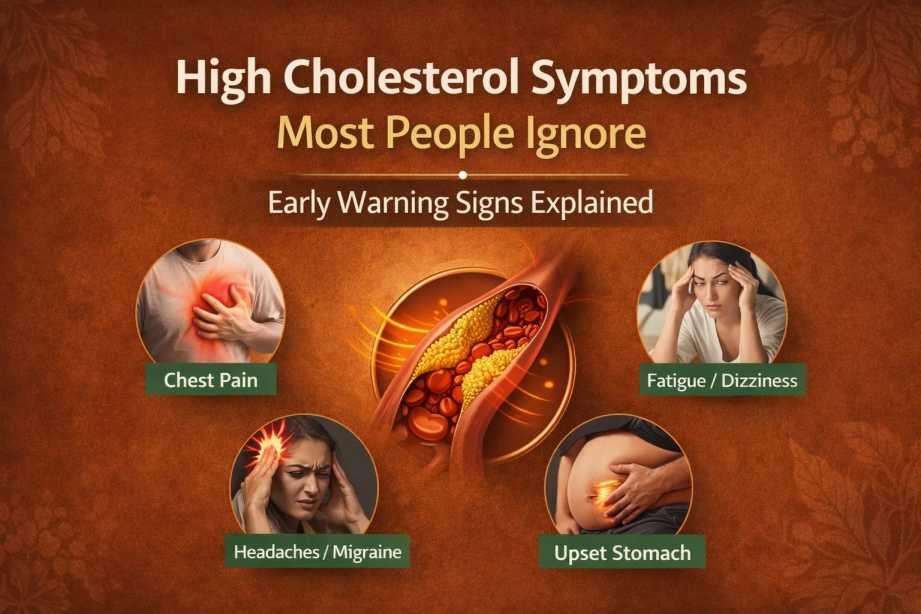
Cholesterol itself does not cause pain. Problems begin when excess LDL (bad cholesterol) starts accumulating along artery walls. Over time, these fatty deposits narrow blood vessels, reducing smooth blood circulation.
When blood flow becomes less efficient, organs and tissues receive less oxygen and nutrients. This gradual change leads to various physical signs that may indicate cholesterol imbalance.
One of the earliest and most overlooked symptoms is constant tiredness. Even after proper sleep, a person may feel low energy throughout the day.
When arteries become partially blocked, oxygen-rich blood cannot reach muscles efficiently. As a result, the body feels exhausted more quickly. Many people assume fatigue is caused by stress or workload, but circulation problems may also contribute.
High cholesterol can affect arteries supplying blood to the heart. Some individuals experience mild chest pressure, heaviness, or discomfort, especially during physical activity.
This symptom may not always feel like severe pain. Sometimes it appears as a burning or squeezing sensation, which people often mistake for acidity or muscle strain. Chest discomfort should never be ignored, especially if it occurs repeatedly.
When blood circulation is reduced, the heart must work harder to pump oxygen throughout the body. This may lead to breathlessness during activities such as walking fast, climbing stairs, or carrying weight.
People frequently assume they are simply out of shape, but reduced oxygen delivery due to narrowed arteries can also be a reason.
Poor circulation may affect hands, feet, or legs. Individuals may notice tingling sensations, numbness, cold hands or feet, or a pins-and-needles feeling because nerves and tissues are not receiving adequate blood supply.
Recurring headaches may sometimes be linked to reduced blood flow to the brain. Narrowed blood vessels can influence oxygen delivery, leading to pressure or heaviness in the head.
Although headaches have many causes, persistent or unexplained headaches should not be ignored.
Some people develop small yellowish patches around the eyelids or skin, medically known as xanthomas. These deposits form when cholesterol accumulates under the skin and may indicate elevated lipid levels in the blood.
High cholesterol and high blood pressure often occur together. When arteries become stiff due to fatty deposits, the heart must pump harder to move blood through narrowed pathways. This increased pressure may lead to hypertension, which further increases heart health risks.
People with cholesterol imbalance may notice decreased endurance. Activities that once felt easy may suddenly feel tiring. Muscles depend on good circulation for performance, and when oxygen supply reduces, stamina also decreases.
Some individuals experience a feeling of heaviness after meals or slow digestion. While not a direct symptom, metabolic imbalance often accompanies cholesterol issues.
In traditional wellness systems like Ayurveda, sluggish digestion is considered a contributing factor to fat accumulation and circulatory imbalance.
Pain or cramping in the legs during walking that improves with rest may indicate reduced blood flow to lower limbs. This condition occurs when arteries supplying the legs become narrowed. Many people confuse this with muscle fatigue, delaying medical attention.
Reduced blood circulation may sometimes cause dizziness or difficulty concentrating. The brain requires consistent oxygen supply, and any disruption may affect mental clarity.
The most important fact is that many individuals experience no noticeable symptoms. High cholesterol is frequently detected only during routine blood tests called a lipid profile test.
This is why regular health screening is essential even if you feel healthy.
High cholesterol often develops quietly without obvious warning signs. Many high cholesterol symptoms, such as fatigue, breathlessness, headaches, and reduced stamina, are subtle and easily ignored. Recognizing these early signals can help individuals take preventive steps before serious health concerns develop.
Maintaining a balanced lifestyle, regular health checkups, proper nutrition, and stress management are essential for supporting heart health naturally. Along with healthy habits, many individuals also explore herbal wellness approaches inspired by Ayurveda.
Formulations like Ayuniv Cholesterol Care Juice combine traditionally used herbs associated with heart wellness, metabolism support, and circulatory balance. When included as part of a consistent lifestyle routine, such herbal support may help maintain healthy cholesterol levels naturally.
Consistency, awareness, and preventive care remain the foundation of long-term heart wellness.
High cholesterol usually does not show clear symptoms in the early stage. However, some people may experience fatigue, shortness of breath, chest discomfort, headaches, or reduced stamina. These signs are often mild and easily ignored, which is why regular cholesterol testing is important.
Most people cannot physically feel high cholesterol because it develops silently inside the body. Symptoms generally appear only when blood circulation becomes affected. A blood test is the most reliable way to know cholesterol levels.
If high cholesterol remains unmanaged for a long time, fatty deposits may build up in arteries and affect blood flow. This may increase the risk of heart-related problems over time. Early lifestyle changes and regular monitoring can help support heart health.
Possible warning signs may include chest pressure, breathlessness during activity, leg pain while walking, frequent fatigue, or dizziness. These symptoms should not be ignored, and medical advice should be taken if they occur regularly.
Yes, healthy lifestyle habits such as balanced diet, regular exercise, stress management, and proper sleep may help support healthy cholesterol levels. Many people also include herbal wellness practices as part of their routine.
Ayurveda focuses on maintaining balance through diet, daily routine, and traditionally used herbs that support metabolism and circulation. Herbal wellness options like Ayuniv Cholesterol Care Juice are often used alongside healthy habits to support overall heart wellness.
Adults are generally advised to check cholesterol levels every 1–2 years, or more frequently if they have risk factors such as obesity, diabetes, high blood pressure, or family history of heart disease.
Common habits that may contribute to high cholesterol include lack of physical activity, excessive fried or processed foods, smoking, stress, and irregular sleep patterns.
Medical Disclaimer: This article is for educational purposes only and is not intended to replace professional medical advice, diagnosis, or treatment. Always consult a qualified healthcare professional before making health-related decisions.

Wellness Guide

Aya can make mistakes, so double check it