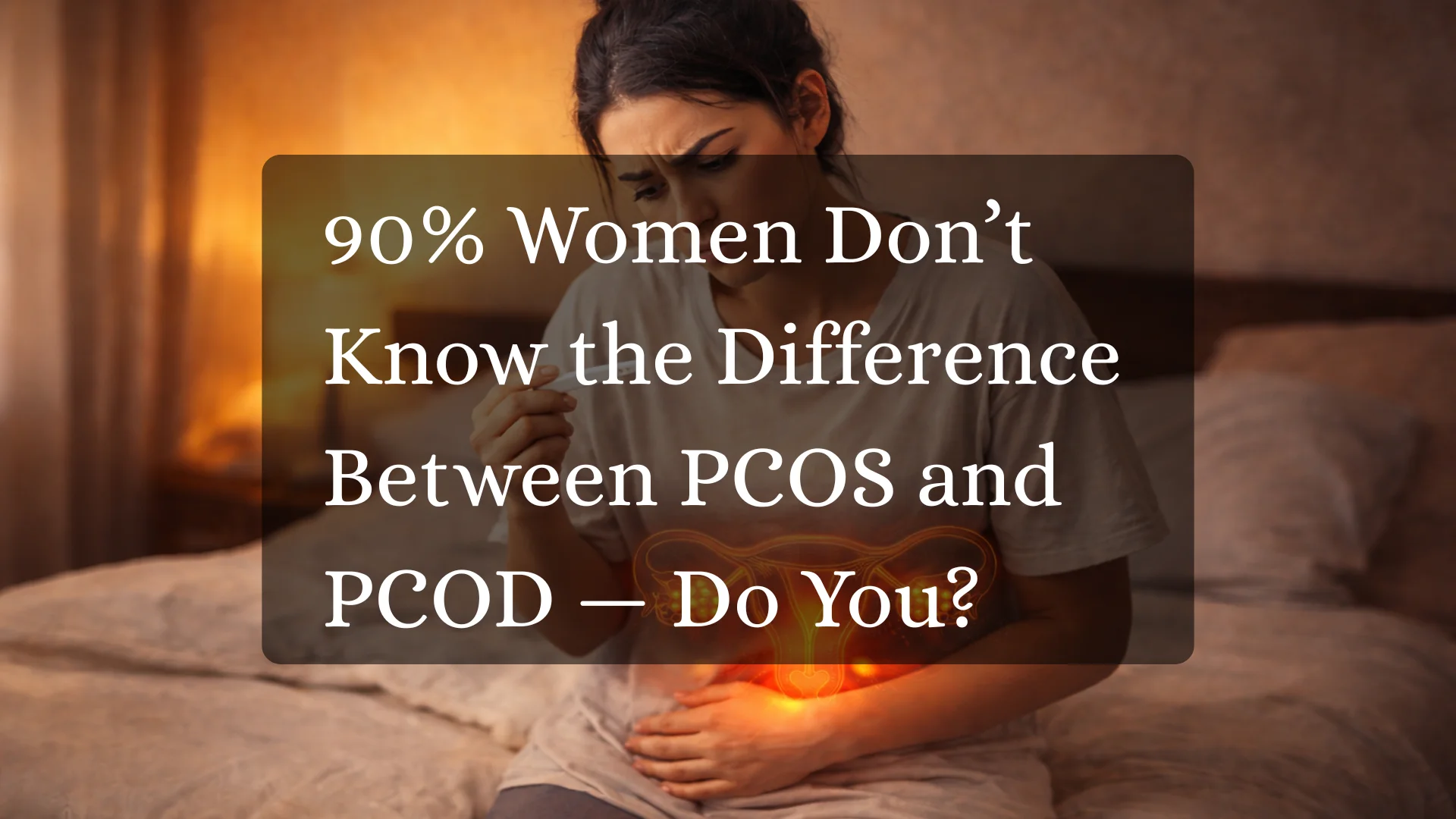
Hormonal health problems among women are becoming very common today. Many women experience irregular periods, weight gain, acne, or hair fall but do not clearly understand the reason behind these changes. Two terms that are often heard are PCOS and PCOD. These conditions are related to the ovaries and hormones, but they are not the same. Because their names and symptoms look similar, many women feel confused about the difference.
What is PCOS? (Polycystic Ovary Syndrome)
PCOS stands for Polycystic Ovary Syndrome. It is a hormonal condition that affects how a woman’s ovaries work. In PCOS, the body produces higher levels of male hormones, also called androgens. These hormones disturb the natural balance of female hormones and affect ovulation.
Normally, every month the ovaries release an egg during the menstrual cycle. But in PCOS, ovulation may not happen regularly. Because of this, periods become irregular and small cysts may develop in the ovaries.
PCOS is not only a reproductive problem; it also affects metabolism, weight balance, and overall health. It is considered a long-term hormonal condition that needs proper management through lifestyle changes and medical guidance.
Symptoms of PCOS
- Irregular or missed periods
- Very late menstrual cycles
- Excess facial or body hair growth
- Acne or oily skin
- Hair thinning or hair fall
- Weight gain, especially around the stomach area
- Difficulty getting pregnant
- Mood swings or low energy
- Dark skin patches around neck or underarms
Not every woman will have all symptoms, but experiencing several of them together may indicate PCOS.
What is PCOD? (Polycystic Ovarian Disease)
PCOD means Polycystic Ovarian Disease. It is a condition where the ovaries produce immature eggs that do not fully develop. These eggs remain inside the ovaries and form small cysts over time.
In PCOD, hormone imbalance is usually mild compared to PCOS. The ovaries become slightly enlarged and may release eggs irregularly, but ovulation often still happens.
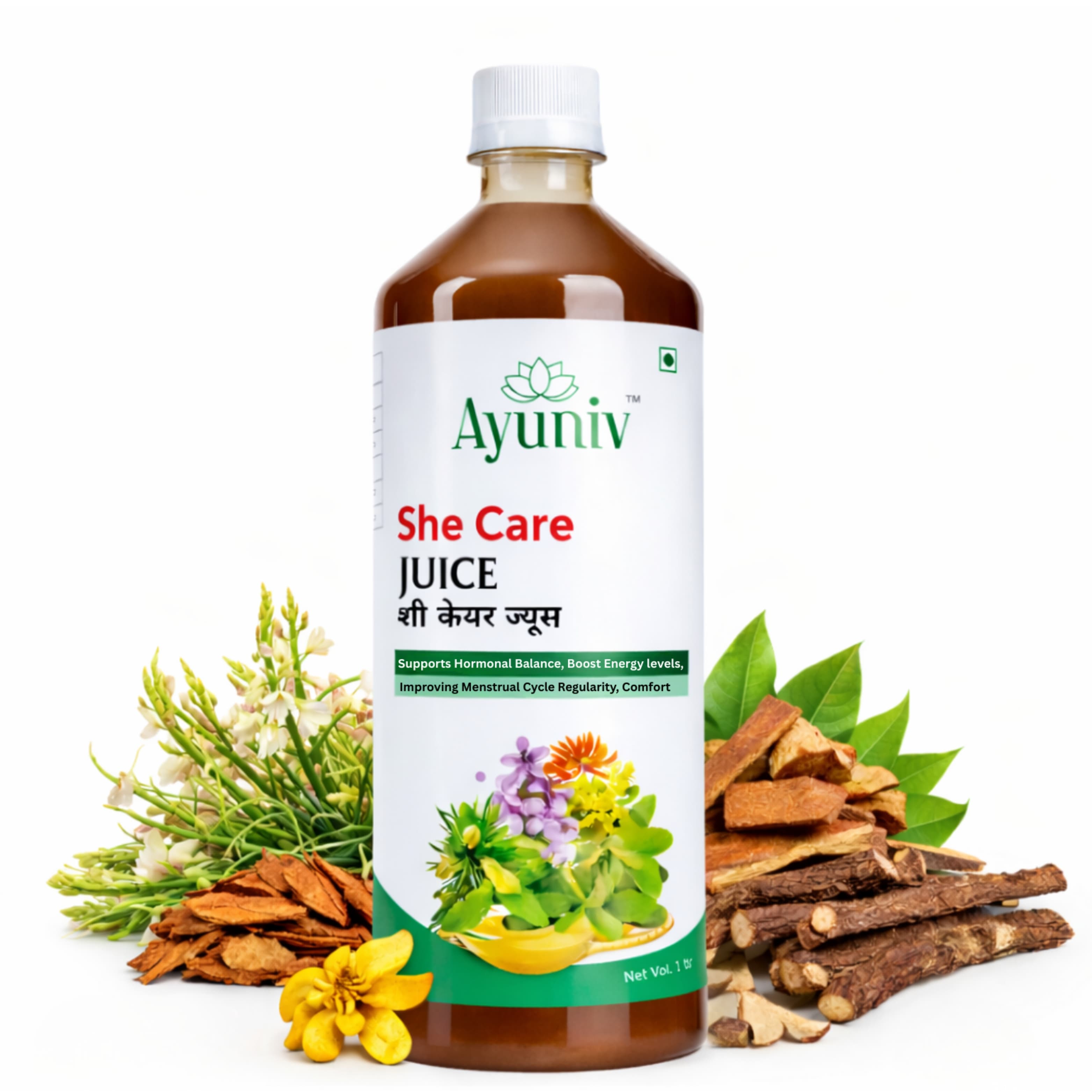
PCOD is mostly linked to lifestyle habits such as unhealthy eating, lack of physical activity, stress, and irregular daily routine. Because of this, many women are able to manage PCOD effectively by improving their lifestyle and sometimes using supportive wellness options like Ayuniv She Care Juice , which is designed to support women’s hormonal health along with healthy habits.
Symptoms of PCOD
- Irregular periods
- Delayed menstrual cycle
- Weight gain
- Acne or skin problems
- Hair fall
- Difficulty losing weight
- Bloating or fatigue
- Mild hormonal imbalance signs
Symptoms are usually less severe than PCOS, and many women see improvement after adopting healthier habits.
Difference Between PCOS and PCOD
Although PCOS and PCOD sound similar, they are medically different conditions. Understanding their differences helps women take proper care of their health.
| Feature | PCOS | PCOD |
|---|---|---|
| Type of Condition | Hormonal syndrome | Ovarian disorder |
| Hormone Imbalance | High male hormones | Mild imbalance |
| Ovulation | Often irregular or absent | Usually occurs |
| Severity | More serious | Less severe |
| Main Cause | Hormonal and metabolic issues | Mostly lifestyle-related |
| Impact on Fertility | Higher impact | Lower impact |
| Management | Long-term care needed | Lifestyle changes often helpful |
In simple terms, PCOS is a hormonal disorder affecting the whole body, while PCOD is mainly a condition affecting the ovaries due to lifestyle imbalance.
Another important difference is that PCOS may increase the risk of long-term health problems if ignored, while PCOD is generally easier to control with proper diet, exercise, and routine changes.
Make Changes to Your Lifestyle
Lifestyle plays a major role in managing PCOS and PCOD. Healthy daily habits can help balance hormones, regulate menstrual cycles, and reduce common symptoms like weight gain, acne, and fatigue. Eating a balanced diet, exercising regularly, managing stress, and getting proper sleep support better metabolism and hormonal health. Even small consistent changes in routine can improve overall well-being and help control PCOS and PCOD naturally over time.
Take Ayurvedic Support
Ayurveda focuses on balancing hormones naturally and improving overall reproductive health. In PCOS and PCOD, Ayurvedic support helps by promoting better metabolism, supporting regular menstrual cycles, reducing hormonal imbalance, and improving digestion and energy levels. Herbal formulations made with traditional women-health ingredients work gently with the body and support long-term wellness when combined with a healthy lifestyle.
Many women also include Ayurvedic wellness products such as Ayuniv She Care Juice as part of their daily routine to support hormonal balance and female wellness naturally alongside diet and exercise.
Conclusion
PCOS and PCOD are common conditions affecting many women today, but they are not the same. PCOS is a hormonal syndrome that affects ovulation and overall metabolism, while PCOD is an ovarian condition mainly linked to lifestyle habits. Both can cause irregular periods, weight changes, and skin problems, which is why they are often confused.
Understanding the symptoms and differences is the first step toward better health. With early awareness, healthy lifestyle choices, proper medical guidance, and supportive wellness routines including options like Ayuniv She Care Juice, women can successfully manage both PCOS and PCOD and maintain hormonal balance for a healthier life.
FAQs
1)Is PCOS more serious than PCOD?
Yes, PCOS is generally considered more serious than PCOD because it is a hormonal syndrome that affects the whole body, not just the ovaries. PCOS can disturb ovulation, metabolism, and insulin levels, and if not managed properly, it may increase the risk of problems like infertility, diabetes, and long-term hormonal imbalance. PCOD is usually milder and mainly linked to lifestyle factors, so it is often easier to manage.
2)Can PCOS be cured?
PCOS does not have a permanent cure, but it can be controlled very effectively. With healthy lifestyle habits such as balanced diet, regular exercise, weight management, stress control, and proper medical guidance, many women successfully manage symptoms and live a normal, healthy life.
3)Can women with PCOS get pregnant?
Yes, women with PCOS can get pregnant. Although PCOS may cause irregular ovulation, many women conceive naturally or with medical support. Maintaining a healthy weight, managing hormones, and following doctor advice greatly improves the chances of pregnancy.
4)Is PCOD caused by lifestyle?
In many cases, yes. PCOD is strongly connected with lifestyle habits such as unhealthy eating, lack of physical activity, stress, and irregular sleep patterns. Improving daily routine, diet, and exercise can significantly help in managing PCOD symptoms and restoring hormonal balance.